

 Ai
Ai
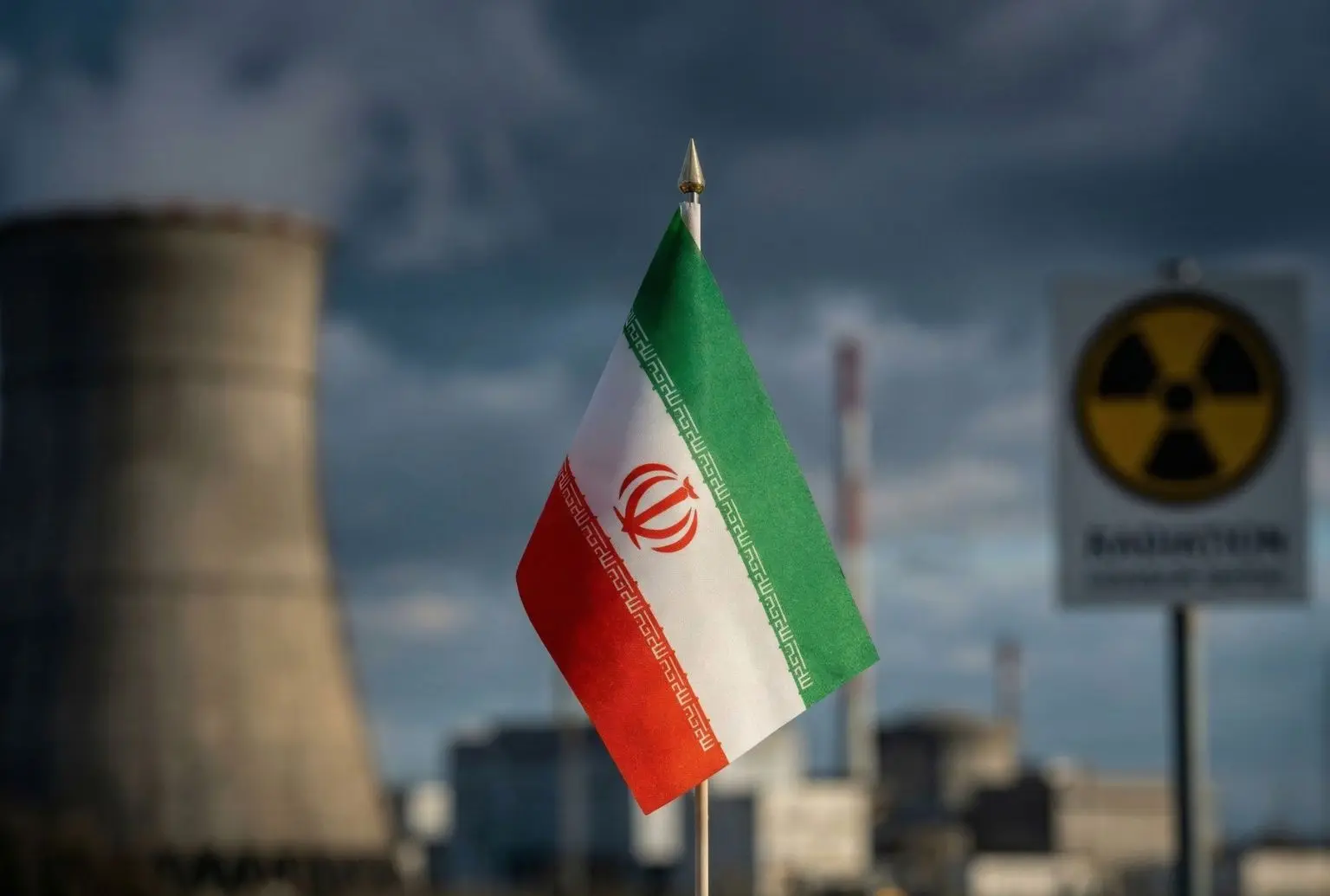
Iranian lawmakers are moving to withdraw from the Treaty on the Non-Proliferation of Nuclear Weapons (NPT) following intensified military strikes by Israel and the United States. This legislative push comes as critical infrastructure, including nuclear sites and steel plants, faces significant damage from ongoing aerial bombardments across the country. According to reports from Al Jazeera, Iranian politicians view the international treaty as a burden providing no benefit during current hostilities.
Iranian Legislative Move
Ebrahim Rezaei, the spokesman for the national security commission of the parliament, stated on social media that remaining a signatory is now meaningless for the nation. He argued that the treaty has failed to provide any protection or benefit while the country faces direct aggression against its sovereign facilities. Malek Shariati, a representative from Tehran, confirmed that priority legislation has been uploaded to the parliamentary portal for review to formalize the withdrawal process.
The proposed law aims to revoke the 2015 nuclear deal restrictions and pursue a new treaty with aligned nations like the Shanghai Cooperation Organization and BRICS members. This shift suggests a significant pivot in Iranian foreign policy toward eastern alliances for developing peaceful nuclear technologies. Hardline factions within the Iranian government have long advocated for a nuclear deterrent in response to mounting external pressure from Western powers and regional adversaries.
Any legislative move must be approved by the Guardian Council, which is a twelve member body that oversees constitutional compliance before the government can implement it. This council holds the power to veto laws that contradict Islamic principles or the national constitution. If the council grants approval, the executive branch will be forced to notify international bodies of its formal exit from the global nuclear framework.
Rising Regional Tensions
The military situation has escalated significantly with Israeli and United States forces intensifying their aerial campaigns against Iranian territory. Warplanes recently bombed a yellowcake facility in Yazd and the Khondab Heavy Water Complex located near the city of Arak. These sites are central to the domestic nuclear program and their destruction represents a major setback for the country’s technical capabilities.
Furthermore, at least three projectiles have reportedly landed in the vicinity of the Bushehr Nuclear Power Plant, which is a critical energy source for the region. The International Atomic Energy Agency has issued warnings about the potential for a major radiological incident if these strikes continue near active reactors. Tehran has experienced several nights of intense bombing that have illuminated the sky and caused temporary power outages in multiple residential areas.
Donald Trump, the United States President, has twice announced delays on launching more destructive attacks against the Iranian power grid until early April. Despite these claims, the intensity of the current strikes suggests a strategy of systemic degradation of Iranian industrial and research capabilities. Citizens in the capital have reported smelling strong chemical odors following the detonation of powerful explosives in the surrounding industrial zones.
Global IAEA Reactions
Mohammad Mohkber, a senior adviser to the late Supreme Leader Ayatollah Ali Khamenei and a former first vice president, has criticized the international community. He described Rafael Grossi, the International Atomic Energy Agency (IAEA) Director, as a partner in crime regarding the current bloodshed. Mohkber argued that political reports about Iranian nuclear activities have effectively encouraged enemies to target domestic facilities without international condemnation.
Rafael Grossi previously told United States broadcasters that no conventional war has the capability to totally destroy the Iranian nuclear program. He suggested that only a nuclear conflict could lead to such unfathomable destruction, which remains a scenario the agency hopes to avoid. These comments have been viewed by Iranian officials as provocative and a violation of international norms regarding the safety of nuclear infrastructure.
Fada-Hossein Maleki, a member of the national security commission of Iran’s parliament, accused the IAEA director of acting as an agitator for several months. He believes the agency is attempting to please the United States administration rather than maintaining technical neutrality. This breakdown in communication between Tehran and the global nuclear watchdog makes a diplomatic resolution increasingly difficult to achieve in the current climate.
Economic Future Outlook
The bombing campaign has expanded to include the backbone of the Iranian economy, specifically the massive steel production complexes in Isfahan and Ahvaz. The Mobarakeh complex and the Khuzestan steel plant were targeted, leading to a total suspension of production activities in several major facilities. These companies are vital for non-oil exports and generate billions of dollars in revenue for the struggling national treasury.
With production halted, thousands of jobs are now at stake in an economy already suffering from inflation rates nearing seventy percent. The destruction of power plants feeding these industrial giants will have long term repercussions for the Iranian energy grid and overall economic stability. The government has also maintained a total internet blackout for nearly a month, limiting the ability of citizens to communicate their experiences with the outside world.
State media continue to broadcast videos of individuals apprehended for filming missile strikes, while security forces maintain a strict presence on the streets. The strike on the Iran University of Science and Technology in Tehran has further disturbed civilian life and research activities in the capital. As the conflict continues, the combination of industrial destruction and political isolation suggests a period of intense instability for the entire region.