

 The White House
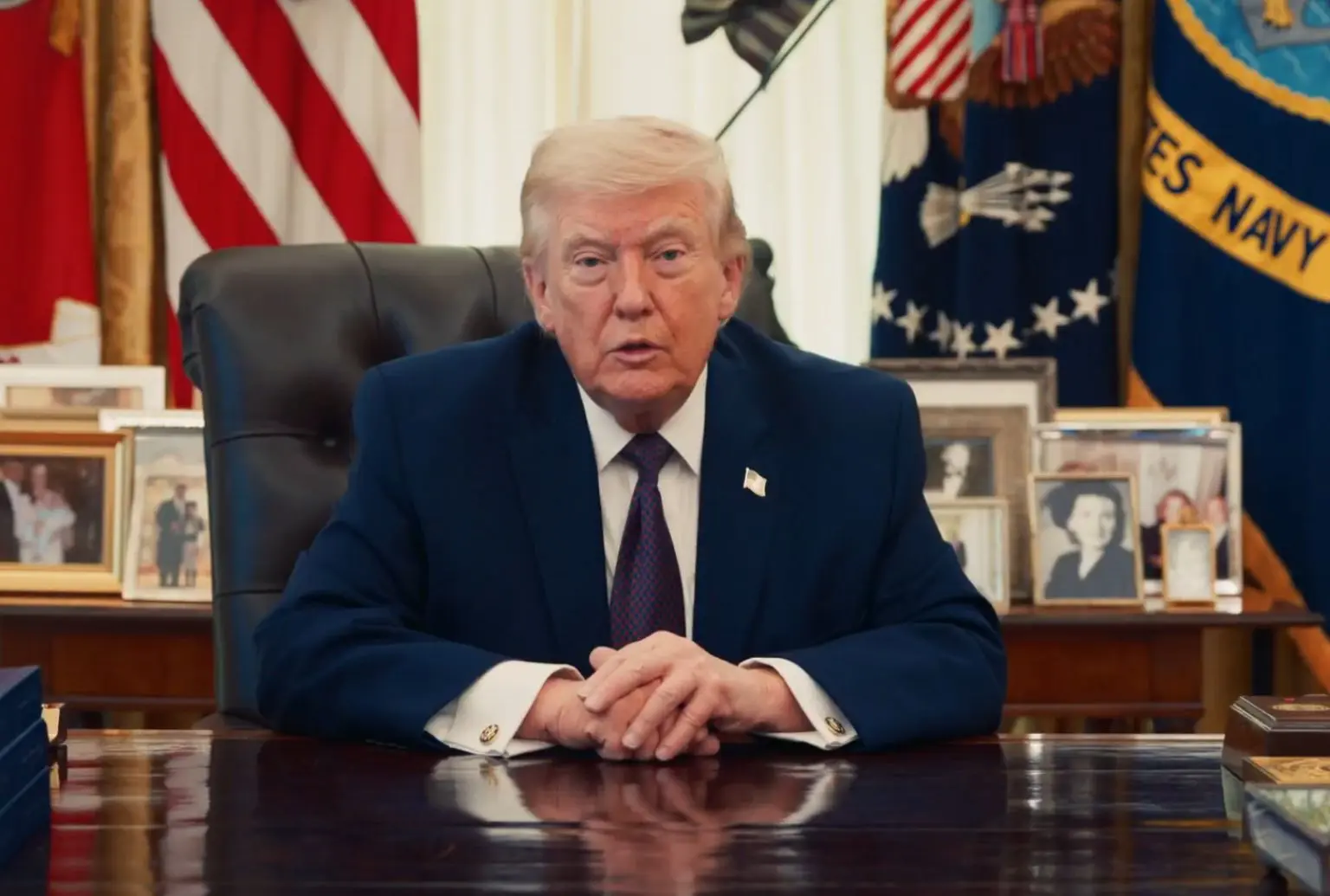
President Donald Trump has announced that the United States will conclude its military presence in Iran within the next two to three weeks. Speaking to reporters in the Oval Office on Tuesday, the President stated that the primary objective of preventing Iran from obtaining nuclear weapons has been successfully achieved.
Reports from BBC Urdu indicate that the American administration believes its mission is nearing completion after intensive military operations. Trump emphasized that the timeline for the withdrawal might vary slightly but remains imminent as the specific goals set by his administration have been met.
Military Mission Success
During his address, President Trump asserted that the United States has effectively dismantled the necessary components of the Iranian nuclear program. He remarked that the primary reason for the American intervention was to ensure Tehran could not develop a nuclear arsenal for years to come.
The President noted that the military work is almost finished and estimated that the exit would happen in about fourteen days or slightly more. He suggested that while the US intends to continue neutralizing threats, a potential agreement could be reached before the full withdrawal is finalized.
Addressing questions from the press, Trump clarified that an official treaty with Iran is not a prerequisite for the departure of American troops. He maintained that the United States will leave once it is certain the Iranian government lacks the capacity to produce nuclear weapons for a significant duration.
Iranian Regime Shift
Trump further claimed that the Iranian military and political landscape has shifted significantly following recent operations. He suggested that the Iranian government is currently in a state of distress and is seeking a deal to end the hostilities.
The President alleged that the Iranian navy and air force have been largely neutralized, leaving the country with limited defensive capabilities. According to his assessment, the lack of retaliatory fire from Iranian positions is a direct result of their military equipment being systematically destroyed during the campaign.
He also commented on the political leadership in Tehran, describing the new figures as less radical and more reasonable than their predecessors. Trump claimed that the objective of regime change has effectively been realized through the elimination of several high ranking political and military officials during the conflict.
Economic Cost Analysis
US Secretary of State Marco Rubio supported the President’s outlook, stating that the United States is currently exchanging messages with Iranian representatives. Speaking to Fox News, Rubio mentioned that the end of the conflict is now visible and direct meetings may occur in the near future.
However, Rubio cautioned that the administration would not allow negotiations to be used as a stalling tactic by Tehran. While he could not provide a specific date for the final ceasefire, he indicated that the diplomatic finish line is within reach for both nations.
The economic impact of the conflict remains a significant concern for experts monitoring global military expenditures. Stephanie Seville, the Director of the Costs of War Project at Brown University, told reporters that the war is costing the United States approximately two billion dollars every day.
Linda Bilmes, a defense budget expert from Harvard University, corroborated these figures, suggesting that the daily expenditure is immense. These costs include military operations, equipment maintenance, and the long term impact on public debt and national interest rates.
Future Regional Outlook
The financial burden of the war has already reached tens of billions of dollars according to recent Pentagon data provided to Congress. Stephanie Seville noted that these costs eventually fall on the average American citizen through increased inflation and higher insurance premiums for businesses.
President Trump addressed the rising fuel prices that have plagued the global market since the start of the intervention. He predicted that energy costs would decrease rapidly once the United States concludes its military operations and stabilizes its presence in the region.
As the administration prepares for the next phase, the White House has reportedly requested an additional two hundred billion dollars to finalize the campaign. Experts believe this reflects the high intensity of the final stages of the mission as the US seeks a clean exit from the Iranian territory.