

 Ai
Ai
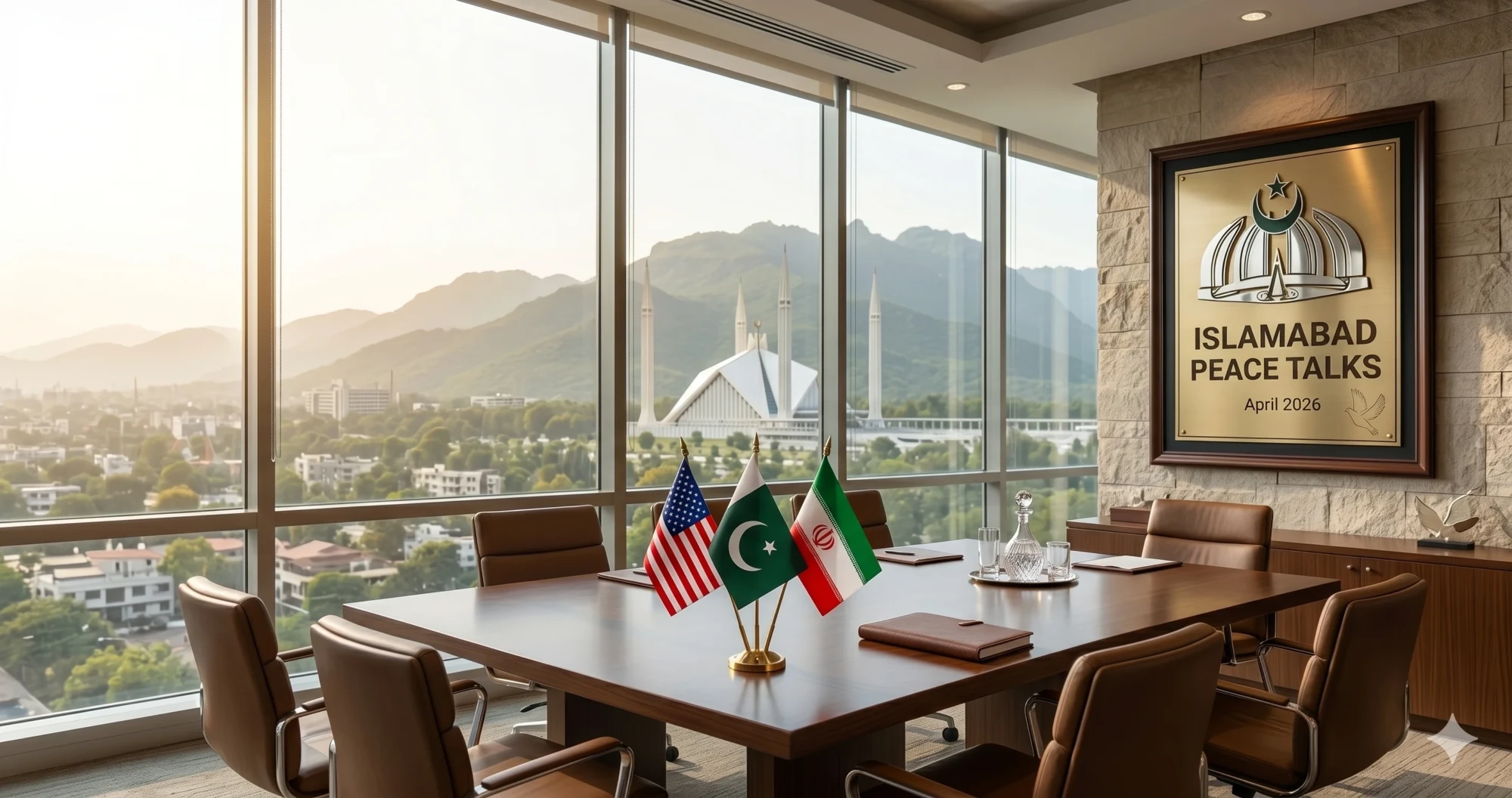
Diplomatic efforts to de-escalate the long-standing tensions between Tehran and Washington have shifted to Islamabad. A high-level Iranian delegation is arriving in the Pakistani capital to explore a potential second round of peace talks.
This development, highlighted in recent reports from CNN, signals a pivotal moment for regional stability and international diplomacy. Iranian and Pakistani sources confirmed that Foreign Minister Abbas Araghchi is leading the delegation.
The Diplomatic Mission to Islamabad
The choice of Islamabad as a venue underscores the strategic role Pakistan plays in facilitating dialogue between the two rivals. Foreign Minister Abbas Araghchi is tasked with navigating the complex requirements of the Trump administration.
While the United States has not yet formally confirmed its level of participation, the presence of a US logistics team suggests serious preparations. The Trump administration is reportedly seeking a diplomatic solution that does not drag on for months.
A Dual-Track Strategy: Blockades and Negotiations
Defense Secretary Pete Hegseth has clarified that the US military will maintain its current posture during these talks. The United States will continue its blockade on Iranian ports to maintain pressure on Tehran.
This blockade is intended to urge Iran toward a definitive peace agreement rather than open-ended discussions. Hegseth emphasized that while diplomacy is the priority, the Pentagon remains prepared for all contingencies.
The Nuclear Deadlock: 440kg of High-Grade Uranium
A central challenge in these negotiations involves Iran‘s advanced nuclear program. Negotiators are specifically focused on the removal of approximately 440kg of near bomb-grade uranium from Iranian soil.
Achieving a verifiable agreement on this stockpile is seen as a prerequisite for any lasting peace. The international community is watching closely to see if Tehran will agree to these stringent transparency measures.
Internal Crisis in Tehran: Khamenei’s Health and the IRGC
The negotiations are further complicated by reports regarding the health of Supreme Leader Ali Khamenei. Sources indicate that Khamenei was severely injured in a strike on February 28th and is currently incapacitated.
He is reportedly communicating only through written messages, which has shifted significant power to the Islamic Revolutionary Guard Corps (IRGC). This leadership vacuum has placed immediate diplomatic responsibility on military and security officials in Tehran.
Global Economic Consequences: The Strait of Hormuz Factor
A prominent US Congressman recently warned that the conflict cannot be resolved through military strikes alone. He highlighted that the global economy would face severe fallout if the Strait of Hormuz were to be closed.
Keeping this vital waterway open is essential for maintaining stable global oil and fertilizer costs. Any failure in the Islamabad talks could lead the Pentagon to execute targeted strike plans focused on the Strait of Hormuz.
Preparing for All Outcomes
The Trump administration’s approach combines rapid diplomacy with the threat of overwhelming military force. Islamabad now stands at the center of a geopolitical storm that could redefine Middle Eastern relations for decades.
If the Araghchi-led delegation cannot find common ground with Washington, the risk of escalation remains high. Both sides are aware that the world is watching, and the economic stakes have never been higher.