

 IHC
IHC
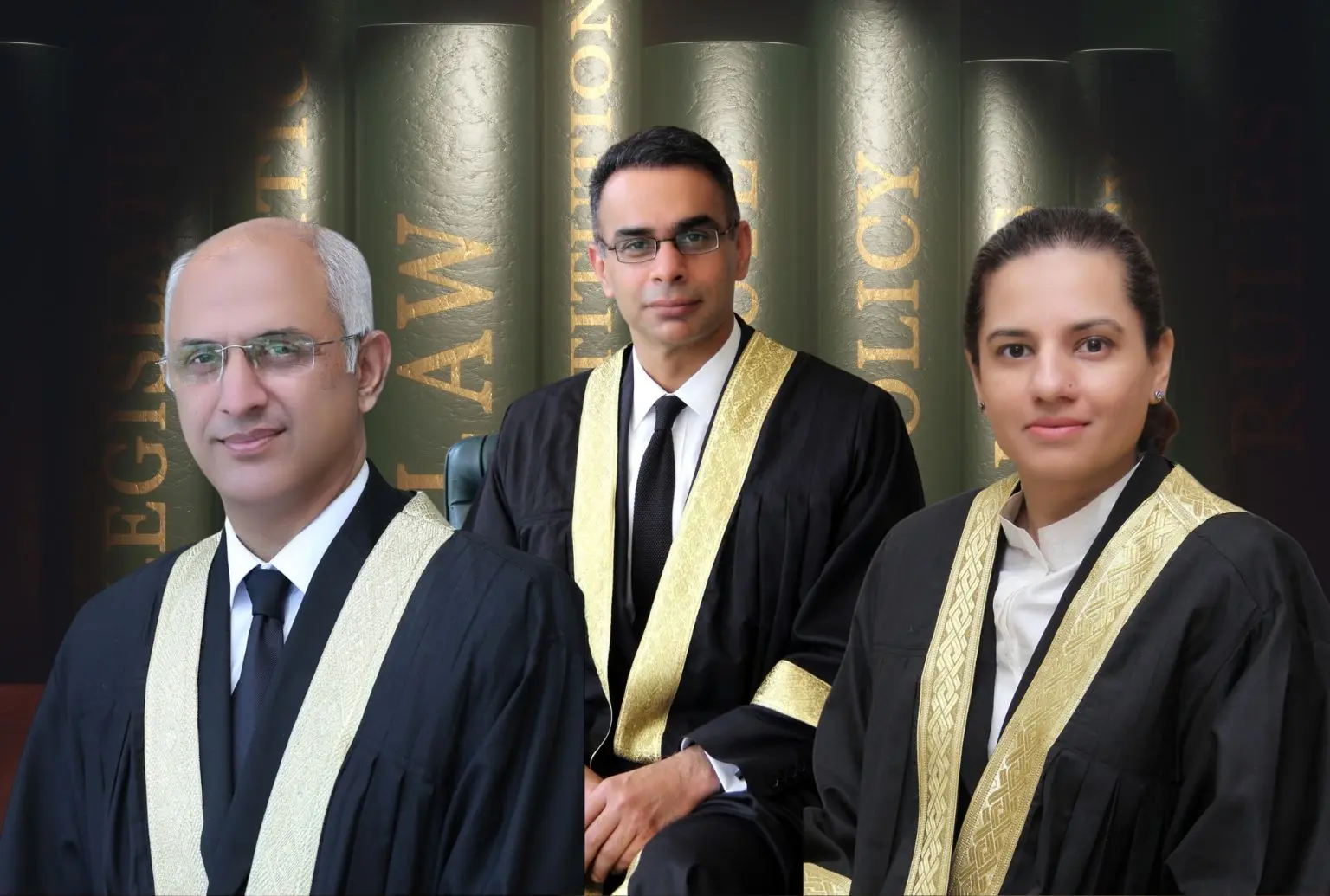
The legal landscape in Pakistan is currently witnessing a seismic shift as several high-profile members of the judiciary are being repositioned across different provinces. This significant development primarily involves the Islamabad High Court (IHC), where three notable jurists are slated for immediate transfer to other high courts.
The Core of the Judicial Shuffle
According to claims made by journalist Ajmal Jami in his recent vlog, the reshuffle targets some of the most prominent figures within the IHC. The jurists identified for these transfers include Justice Babar Sattar, Justice Saman Rafat Imtiaz, and Justice Mohsin Akhtar Kayani.
Justice Babar Sattar is reportedly being moved from the federal capital to the Peshawar High Court. This move is seen as a major shift given his history of handling sensitive cases in Islamabad.
Simultaneously, Justice Saman Rafat Imtiaz has been designated for transfer to the Sindh High Court. Her relocation to Karachi marks a significant change in the composition of the IHC bench.
The third major move involves Justice Mohsin Akhtar Kayani, who is reportedly being transferred to the Lahore High Court. These moves represent a comprehensive restructuring of the judicial presence in the nation’s capital.
The Legal Mechanism Behind Transfers
The authority to execute these transfers stems from the newly implemented 26th and 27th constitutional amendments. These legal changes have significantly empowered the Judicial Commission of Pakistan.
Under this revised system, the commission now possesses the explicit authority to transfer judges between different provincial high courts without their prior consent. Previously, such transfers were subject to different protocols that often required the agreement of the judge in question.
This constitutional shift was designed to provide the state with greater flexibility in managing judicial resources. However, it has also sparked a debate about the potential for these powers to be used as a tool for administrative pressure.
Intentions and Professional Implications
Ajmal Jami analyzed the underlying intent of these movements, suggesting that the primary goal is to discourage judicial independence. He claimed that the move is intended to send a message to judges who exhibit a strong “attitude” or act with total autonomy.
To illustrate this point, the analyst compared the situation to moving a session judge from a major city like Lahore to a remote area like Rajanpur. Such a move is often perceived in professional circles as a form of disciplinary action or a strategic sideline.
By dispersing these judges to different corners of the country, the administration may be attempting to dilute the influence of a cohesive bench in Islamabad. This strategy could potentially impact how future cases involving government interests are handled in the federal capital.
The Next Target: Lahore High Court
The reshuffle is reportedly not limited to the Islamabad High Court. Claims suggest that the next focus for this judicial “cleanup” or reorganization is the Lahore High Court (LHC).
Reports indicate that approximately 6 to 7 judges from the Lahore bench may soon face similar transfer orders. This would represent one of the largest single-bench reorganizations in the history of the Punjab judiciary.
Among those expected to be moved from Lahore, at least 2 to 3 judges are reportedly being considered for transfer to Balochistan. Such a move would be seen as particularly significant given the geographical and jurisdictional differences between Punjab and Balochistan.
Speculations on Resignations
There has been widespread speculation within the legal community that the transferred IHC judges might choose to resign rather than accept their new postings. Resigning would be a traditional form of protest against what some jurists perceive as political victimization.
However, Ajmal Jami noted that his sources suggest a different course of action for these individuals. It is claimed that the judges will initially join their respective new courts in Peshawar, Karachi, and Lahore.
After assuming their duties, they may reportedly cite a “lack of cooperation from the staff” or other administrative hurdles as grounds for dissatisfaction. The analyst suggests that they might then submit their resignations after a month or so of service at the new locations.
Tracking the News Cycle
The timeline of these reports has become a point of interest for media observers in Pakistan. While the news gained significant traction following reports by senior journalist Ansar Abbasi on April 24, the information had surfaced earlier.
Ajmal Jami credited journalist Muhammad Ashfaq of Roznama Dunya for breaking this story accurately on April 22. This two-day lead demonstrates the internal awareness within certain journalistic circles before the news became a mainstream talking point.
As these transfers begin to take physical effect, the legal fraternity is watching closely. The outcome of these movements will likely define the relationship between the executive and the judiciary for the foreseeable future under the new constitutional framework.
Concluding Thoughts on Judicial Independence
The reshuffle of Justice Babar Sattar, Justice Saman Rafat Imtiaz, and Justice Mohsin Akhtar Kayani remains a developing story. It highlights the friction between administrative reforms and the autonomy of the bench.
While the government maintains that these moves are within the legal framework of the Judicial Commission, critics argue they undermine the stability of the courts. The next few weeks will reveal whether these transfers lead to a permanent change in the judicial landscape or a wave of high-profile exits from the bench.