

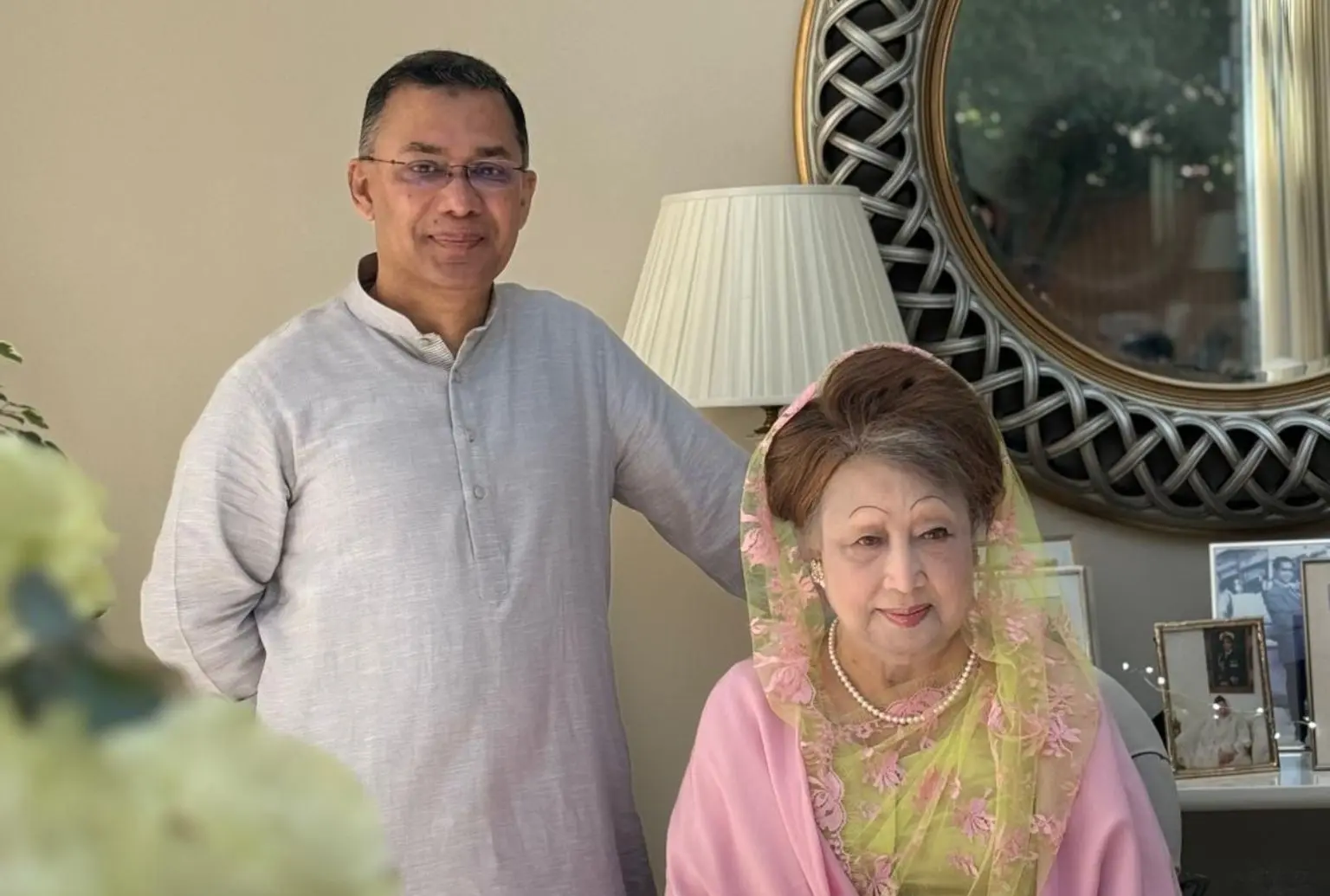
- BNP reportedly leads in Bangladesh general elections according to results.
- Tarique Rahman is set to become the next Prime Minister.
- Party leaders express high confidence in securing a clear majority.
The Bangladesh Nationalist Party (BNP) has reportedly secured a clear lead in the national parliamentary elections, according to initial reports and party sources. Amir Khosru Mahmud Chowdhury, a senior leader of the BNP, stated that the party has already achieved a majority and expects performance to improve as final counts are finalized. This election marks a potential shift in the country’s governance, following a period of significant political transition and the absence of the former ruling party.
Tarique Rahman Positioned as the Next Prime Minister
The BNP leadership has officially projected Tarique Rahman, the party’s chairman, as the designated candidate for the Prime Minister’s office. According to reports, Rahman led the party’s election campaign for the first time, taking over organizational responsibilities after the passing of his mother, Khaleda Zia. Supporters view him as the central figure of the party, while the leadership maintains that his return from exile has unified the political ranks during a challenging electoral period.
Political Background and Challenges to Leadership
Tarique Rahman’s political journey has been marked by nearly 17 years of political asylum in London before his return to Dhaka last December. Allegations of corruption, which Rahman and his party have consistently dismissed as politically motivated propaganda by the previous administration, reportedly remain a point of discussion among political analysts. Despite these challenges, his supporters emphasize his resilience in maintaining party unity from abroad and his maturation as a leader since his homecoming.
Future Governance and Strategic Shifts in Bangladesh
As the BNP moves toward forming a government, the political landscape in Bangladesh appears to be undergoing a major realignment. With the Awami League reportedly not participating due to administrative bans, other groups like Jamaat-e-Islami have emerged as competitors. Observers are now looking toward how the new leadership will navigate regional diplomacy and internal reforms, especially considering the historical context of the party’s leadership under the Zia family and its impact on South Asian stability.