
A Nation at a Crossroads: The Secret Deliberations to Choose Iran’s Next Path
A heavy silence has descended upon the streets of Tehran as the nation stands at a critical historical juncture. Following the reported death of the Supreme Leader in a coordinated military action, the Iranian government has announced that the final rites will commence today. This transition comes at a time of peak regional volatility, placing the internal mechanisms of the Iranian state under intense global scrutiny. According to reports from the BBC, the funeral procession is scheduled to begin late Wednesday night, marking the start of a three day period of national mourning and ceremonial observances. The atmosphere in the capital is described as somber yet charged with political anticipation as the focus shifts from the legacy of the past to the uncertainty of the future.
The Funeral Rites and National Mourning
The logistical scale of the upcoming ceremonies reflects the immense stature of the office of the Supreme Leader within the Iranian constitutional framework. State media outlets have confirmed that the funeral procession will be initiated at approximately one thirty in the morning. This timing is intended to manage the massive crowds expected to converge on the capital from various provinces. For three days, the nation will engage in high level diplomatic and religious events to honor the departed leader. Security forces have been placed on high alert across Tehran to ensure order during these gatherings, as the presence of international delegations and regional allies is anticipated. These ceremonies serve not only as a religious obligation but also as a public display of the state’s resilience in the face of external pressure.
Candidates for the Iran Supreme Leader Succession
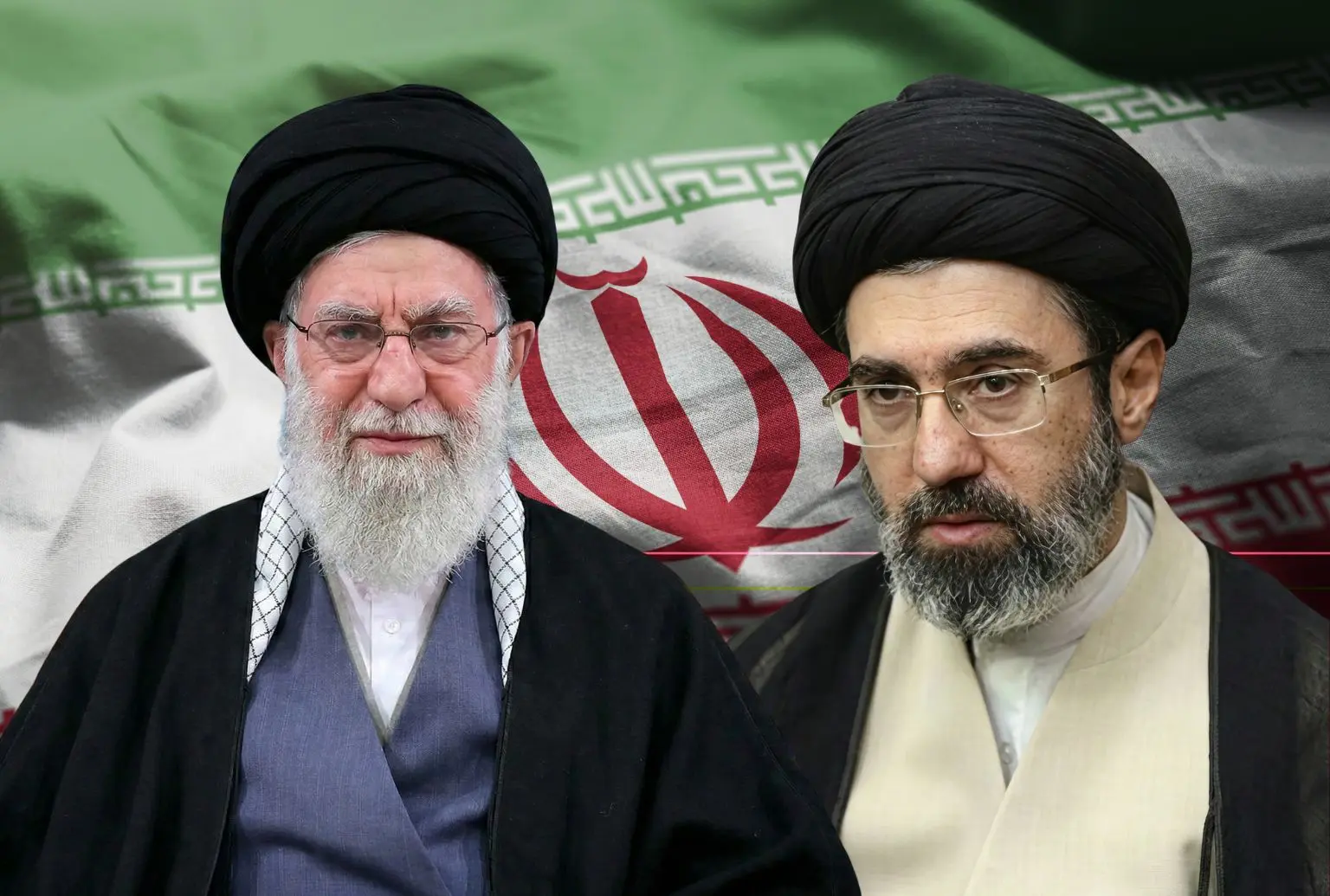
As the funeral preparations continue, the question of who will fill the vacuum of power remains the most pressing issue for the international community. Speculation has intensified following a report by the New York Times which cites Iranian officials suggesting that Mojtaba Khamenei, the son of the late leader, has emerged as a primary contender for the position. The Iran Supreme Leader Succession process is governed by the Assembly of Experts, a body of senior clerics tasked with evaluating and selecting the most qualified individual to lead the Islamic Republic. While the selection process is traditionally private and deliberative, the urgency of the current security situation may accelerate the decision making timeline. Observers suggest that a consensus could be reached as early as today, providing the nation with a clear sense of direction during this period of grief.
Israeli Warnings and Regional Security
The potential for a smooth transition is complicated by the direct warnings issued from abroad. The Israeli Defense Minister has publicly stated that the identity of the successor will dictate Israel’s future military and intelligence posture. According to the official statement, if any new leader chooses to continue a policy of hostility toward Israel, threats against the United States, or the suppression of the Iranian populace, they will inevitably become the next target. This rhetoric highlights the high stakes involved in the selection of the next Supreme Leader. The international community is watching closely to see if the new leadership will opt for a path of de-escalation or if the regional confrontation will intensify. This warning serves as a stark reminder that the internal politics of Tehran have immediate and profound consequences for the security architecture of the entire Middle East.
The Role of the Assembly of Experts
To understand the gravity of the current situation, one must look at the constitutional mandate of the Assembly of Experts. This eighty eight member body is responsible for ensuring that the successor embodies the religious and political qualifications necessary to hold the highest office. The deliberations are expected to weigh the need for continuity against the pressures of a changing geopolitical landscape. The emergence of Mojtaba Khamenei as a frontrunner suggests a potential desire for stability and the preservation of the existing political order. However, the Assembly must also consider the public sentiment and the various factions within the Iranian political and military establishment, including the powerful Revolutionary Guard Corps. The decision made in the coming hours will define the trajectory of the Iranian state for decades to come.
Geopolitical Implications of a New Leadership
The transition in Tehran occurs against a backdrop of complex international relations. The role of the Supreme Leader extends far beyond domestic governance, as the office holds ultimate authority over the nation’s nuclear program, its regional alliances, and its military strategy. A shift in leadership could lead to a reassessment of Iran’s involvement in regional conflicts or its diplomatic engagement with Western powers. Conversely, a hardline successor might double down on existing strategies, further entrenching the current divisions. The world remains in a state of watchful waiting as the formal announcements are expected to follow the conclusion of the funeral rites. The outcome of the Iran Supreme Leader Succession will undoubtedly be a turning point in modern history, influencing everything from global oil markets to the stability of the Persian Gulf region.
Frequently Asked Questions
Q:How is the Iran Supreme Leader Succession decided?
A:The successor is chosen by the Assembly of Experts, a group of 88 clerics who evaluate candidates based on religious and political qualifications.
Q:Who is Mojtaba Khamenei in the context of Iranian politics?
A:Mojtaba Khamenei is the son of the late Supreme Leader and is currently considered a top candidate to succeed his father due to his influential role within the state.