
The global geopolitical landscape is currently undergoing a series of rapid and interconnected transformations involving major powers and regional players. Washington D.C. has become a central hub for these developments as the United States administration navigates complex relations with Pakistan, Iran, and Saudi Arabia.
In a recent analytical breakdown, prominent commentator Dr. Moeed Pirzada highlighted how these shifts are creating a panoramic change in international diplomacy. He suggested that the traditional structures of influence are being tested by economic realities and military maneuvers.
Saudi Arabia’s Economic Recalibration
Saudi Arabia is currently facing significant financial hurdles that are forcing a rethink of its ambitious developmental agenda. According to claims made by Dr. Moeed Pirzada, the Kingdom is grappling with the dual pressure of lower oil revenues and the high costs associated with ongoing Middle East conflicts.
These financial constraints have reportedly led to a scaling back of high-profile international ventures. One notable example is the LIV Golf project, which has seen its massive funding redirected or reduced as Riyadh prioritizes internal stability over external prestige.
This economic pivot is not just a domestic issue for the Saudis but has wide-reaching implications for their allies. The transition from aggressive expansion to cautious spending marks a significant departure from the Vision 2030 momentum observed in previous years.
The Impact on Pakistan’s Financial Stability
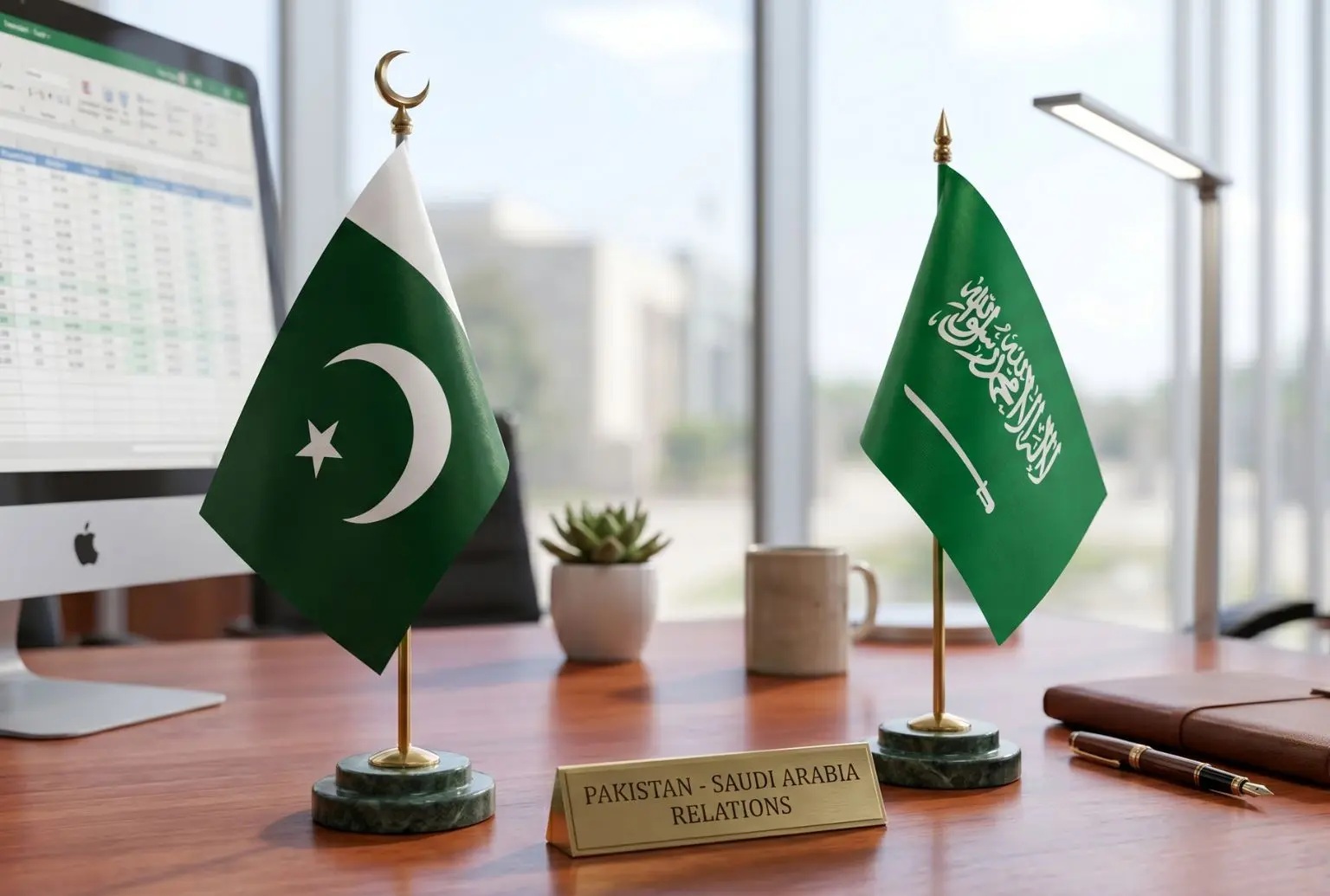
The economic tightening in Saudi Arabia is expected to have a direct and potentially cooling effect on Pakistan. While Riyadh recently moved to deposit funds into the State Bank of Pakistan to provide temporary relief, the long-term outlook remains uncertain.
Dr. Moeed Pirzada stated that the Kingdom may struggle to fulfill the multi-billion dollar strategic investments promised under a mutual defense pact. This agreement, signed in September 2025, was intended to be a cornerstone of Pakistan’s economic recovery strategy.
Without these substantial capital injections, Islamabad may need to look for alternative avenues to bridge its fiscal gaps. The delay or cancellation of these projects could slow down infrastructure development and energy security initiatives across the country.
US-Iran Tensions and Legal Maneuvers
The relationship between the United States and Iran remains fraught with complexity and strategic posturing. President Trump is allegedly utilizing specific legal mechanisms to manage the narrative regarding regional hostilities.
Contrary to some social media claims, Dr. Moeed Pirzada clarified that the White House has not officially declared an end to the conflict. Instead, the administration is reportedly using legal loopholes to bypass the War Powers Resolution.
By claiming that hostilities have already technically terminated, the Trump administration seeks to avoid the 60-day limit that requires Congressional approval for military engagements. This tactic allows the executive branch greater flexibility in its regional deployments without legislative interference.
Rejection of the Iranian Peace Proposal
Diplomatic efforts to de-escalate the situation have encountered significant roadblocks in recent weeks. Iran reportedly submitted a second ceasefire proposal through Pakistani mediators in an attempt to find a middle ground.
However, Dr. Moeed Pirzada claims that President Trump was quick to reject this proposal, signaling a preference for continued pressure. The core of the disagreement appears to be more political and financial than purely nuclear in nature.
For Trump, securing a definitive political victory is essential to satisfy his domestic electoral base. Conversely, Tehran is in desperate need of financial relief and the immediate lifting of crippling international sanctions to maintain internal order.
The Scale of US Military Buildup
While diplomatic talks stall, the physical military presence of the United States in the region is expanding at an unprecedented rate. Citing an analysis by Professor Robert Pape, Dr. Moeed Pirzada detailed a massive and underreported military airlift operation.
Heavy-lift aircraft are reportedly transporting approximately 6,500 tons of advanced weaponry toward strategic regional hubs. The primary focus of this buildup is centered on the Al Dhafra Air Base located in the United Arab Emirates.
This surge in military logistics suggests that the United States is preparing for all contingencies, despite the public rhetoric of peace. The scale of the equipment move indicates a long-term strategic positioning rather than a temporary exercise.
Iranian Oil and the Naval Blockade
Despite a stringent naval blockade imposed by the United States, Iran has developed sophisticated methods to export its energy resources. Dr. Moeed Pirzada highlighted the movements of specific tankers, such as the vessel Huge, which have successfully bypassed restrictions.
These tankers reportedly use a technique of “coastal hugging,” staying extremely close to the shores of Pakistan and India. This path allows them to avoid detection by international monitors as they move toward South East Asia.
The ultimate destination for much of this oil is Malaysia, where it is often rebranded before finally reaching markets in China. This shadow trade remains a vital lifeline for the Iranian economy amidst the ongoing sanctions regime.
Internal Pressures and Future Outlook
The future of the Iranian administration may hinge on its ability to secure economic concessions from the West. Dr. Moeed Pirzada noted that without significant relief, the regime faces a high risk of internal political fallout.
The domestic pressure in Tehran is mounting as the population feels the brunt of economic isolation. If the leadership cannot deliver tangible improvements in living standards, the stability of the current political order could be threatened.
Simultaneously, President Trump faces his own set of challenges from an impatient Republican base. His supporters are looking for a clear and decisive resolution to the Middle East crisis that reinforces American dominance without leading to another protracted conflict.
Conclusion
The convergence of Saudi economic shifts, US military expansion, and Iranian resilience creates a volatile environment. Each player is currently navigating a narrow path between economic survival and strategic dominance.
As Pakistan remains caught in the middle of these shifting alliances, the coming months will be critical for its own economic and security interests. The role of mediators will become increasingly important as the major powers continue their high-stakes geopolitical maneuvering.