
 Ai
Ai
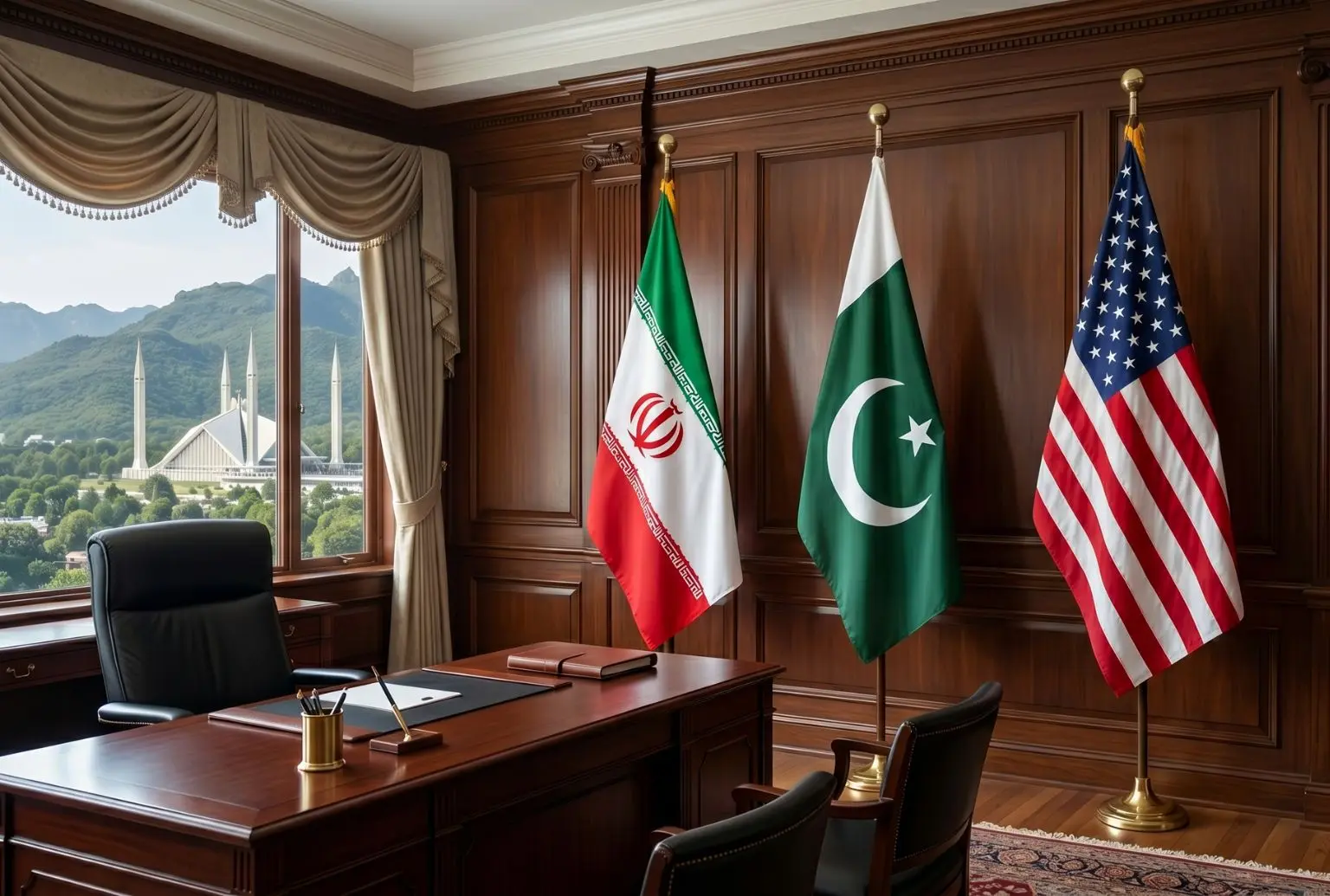
Pakistan has successfully mediated a historic diplomatic breakthrough between the United States and Iran, leading to a ceasefire in Lebanon and the reopening of the Strait of Hormuz. This unexpected outcome follows weeks of intense behind the scenes negotiations facilitated by Islamabad, positioning Pakistan as a central player in Middle East stability.
Journalist Kamran Yousaf reported on X that Pakistan’s quiet diplomacy overcame significant skepticism regarding its capacity to influence such powerful global actors. The process began with a two-week ceasefire that eventually paved the way for higher level engagements and high stakes personal diplomacy by Pakistan’s military leadership.
Mediation Success Confirmed
The diplomatic effort began when Pakistan emerged as a potential mediator between the two rival nations. Many observers were initially skeptical about whether Islamabad possessed the necessary geopolitical clout to stop a potential war and persuade both Tehran and Washington to reach a consensus. Instead of engaging in public boasting, Pakistani officials worked quietly to establish a baseline for communication.
A critical turning point occurred when Pakistan managed to secure an initial two week ceasefire. This window of opportunity led to a historic face to face meeting in Islamabad, though it initially failed to break the long standing stalemate. The real story began after that initial meeting when Islamabad mounted an unprecedented diplomatic campaign to ensure the peace process did not collapse entirely.
Iran reportedly maintained a deep distrust of the United States throughout the early stages of the dialogue. After intense back and forth discussions, a high risk decision was made for the Pakistan Army Chief to travel to Tehran personally. This direct engagement with the Iranian leadership was designed to bridge the trust gap and provide the necessary security guarantees for a deal.
Strategic Leverage Utilized
The visit by the Army Chief proved to be the decisive moment in the negotiations. High level meetings in Tehran addressed the core concerns of the Iranian government while maintaining a line of communication with the Trump administration. This bold move resulted in the announcement of the Lebanon ceasefire and the subsequent reopening of the Strait of Hormuz by Iranian authorities.
Pakistan’s effectiveness in this role stemmed from its unique position as a nuclear state with strong military ties. Unlike traditional mediators like Oman or Qatar, Pakistan brought specific strategic leverage to the table that others could not provide. Its status as a nuclear power allowed it to understand the geostrategic chessboard and the implications of regional security architectures deeply.
Islamabad utilized its defense ties with Saudi Arabia and its working relationship with the Trump administration to keep the process on track. The message conveyed to Tehran was clear: a deal at this stage would represent a significant strategic win for Iran. Pakistan argued that if this diplomatic window closed, the future would be far more uncertain and Iran might lose its current leverage.
Regional Security Architecture
While managing expectations in Tehran, Pakistan also worked to prevail upon the Trump administration. A key part of the strategy involved ensuring that Israel did not act as a spoiler during the sensitive negotiation phases. This balancing act required constant communication with multiple stakeholders to prevent any single event from derailing the progress made in Islamabad and Tehran.
The successful mediation has led to widespread praise, including forthcoming comments from President Trump. Pakistan’s ability to achieve what many thought was unthinkable has shifted the perception of its role in global diplomacy. By acting as a bridge between a major Western power and a significant regional actor, Islamabad has demonstrated its capacity for sophisticated international mediation.
The reopening of the Strait of Hormuz is particularly significant for the global economy, as it is a vital artery for energy shipments. The Lebanon ceasefire also provides a much needed reprieve for a region that has been on the brink of wider conflict for months. Pakistan’s role in these developments highlights a shift toward more active regional diplomacy involving non Western nuclear powers.
Future Diplomatic Prospects
Moving forward, the success of this mediation could pave the way for more permanent security arrangements in the Middle East. Pakistan’s involvement has shown that a combination of military credibility and diplomatic persistence can yield results where traditional diplomacy might fail. The world will be watching to see if this ceasefire holds and if further cooperation between the US and Iran is possible.
The focus will now remain on the implementation of the terms agreed upon during the Islamabad and Tehran sessions. Ensuring that all parties adhere to the ceasefire and keep the maritime routes open will be the next major challenge for the mediators. Pakistan is expected to continue its role as a monitor and facilitator to prevent any regression into hostilities.
This achievement serves as a testament to Pakistan’s strategic importance in the contemporary world order. By leveraging its unique strengths, Islamabad has managed to navigate one of the most complex geopolitical rivalries of the modern era. The lasting impact of this mediation will depend on the continued commitment of both Washington and Tehran to the diplomatic path established by Pakistan.