
 Screen Grab
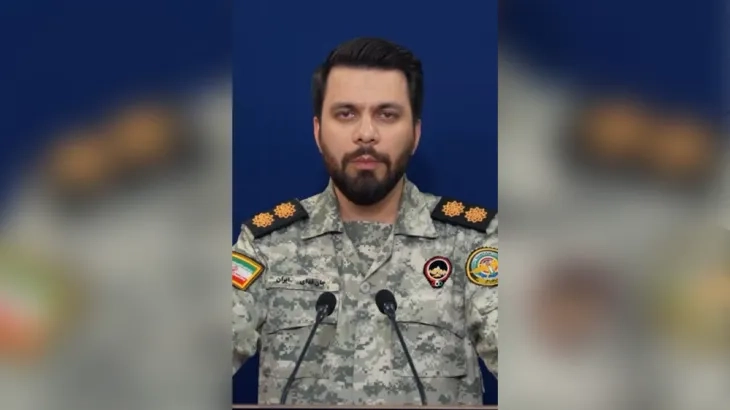
Iran’s Islamic Revolutionary Guard Corps (IRGC) has issued an urgent warning to civilians and employees located near major oil and gas facilities in Saudi Arabia, the United Arab Emirates, and Qatar. According to a report by the BBC, the IRGC announced that these sites are now considered legitimate military targets for upcoming strikes.
Targeted Energy Hubs
The IRGC issued this immediate warning through its news agency on a Telegram channel. The statement specifically identified several high-value energy infrastructures across the Gulf region that people should avoid. Among the sites listed is the SAMREF refinery located in Saudi Arabia which is a critical hub for global energy supply. The warning also extends to the Al Jubail Petrochemical Complex which serves as a major economic pillar for the Saudi kingdom.
In the United Arab Emirates the IRGC highlighted the Al Hosn gas field as a potential zone for upcoming military action. Qatar is also included in this security alert with the Mesaieed Petrochemical Complex and the Ras Laffan refinery being named as targets. The IRGC statement emphasized that these centers have become legitimate targets for their forces in the coming hours. All residents and staff are encouraged to move to a safe distance immediately to avoid potential harm from any kinetic activity.
Regional Security Context
This development follows a period of heightened geopolitical tension between Iran and its regional neighbors in the Persian Gulf. The IRGC has often used its media platforms to signal intent or exert pressure during diplomatic or military standoffs. Security analysts note that naming specific refineries represents a significant escalation in the rhetoric used by Tehran. The mention of Qatar is particularly notable given the generally diplomatic relations maintained between Doha and Tehran.
The specific mention of the SAMREF refinery in Saudi Arabia underscores the focus on the Red Sea and Gulf energy corridors. This facility is a joint venture that plays a massive role in the refining of crude oil for international markets. By targeting such locations the IRGC aims to demonstrate its ability to disrupt the economic stability of the entire region. The announcement has prompted immediate concern among global energy security experts who monitor the stability of these vital trade routes.
Global Market Risks
The potential for strikes on these facilities poses a severe threat to the stability of global oil and gas prices. Any disruption to the Al Jubail complex or the Ras Laffan refinery would likely cause immediate volatility in energy markets. Qatar’s Ras Laffan is one of the largest liquefied natural gas production sites in the world. A strike there could affect gas supplies to Europe and Asia which are already facing tight market conditions.
International observers are closely watching the response from the targeted nations and their security partners. The United States and other Western allies maintain a significant naval presence in the region to protect commercial shipping and energy infrastructure. This warning by the IRGC could lead to increased defensive deployments and a higher state of military readiness across the Gulf. Market analysts suggest that the mere threat of such strikes adds a significant risk premium to crude oil futures.
Future Strategic Outlook
The coming hours will be critical in determining whether this warning translates into actual military engagement. The IRGC has set a very short timeline for civilians to evacuate which suggests a high level of urgency in their planning. Gulf nations like Saudi Arabia and the UAE have invested heavily in missile defense systems to counter such threats. The effectiveness of these defenses will be put to the test if the IRGC proceeds with its stated intentions.
Diplomatic channels are expected to be active as regional powers seek to de-escalate the situation before conflict erupts. The international community continues to call for restraint to prevent a wider regional war that could devastate the global economy. This latest warning serves as a reminder of the fragile security environment in the Middle East. Future stability depends on the ability of all parties to navigate these tensions without resorting to direct military confrontation.