

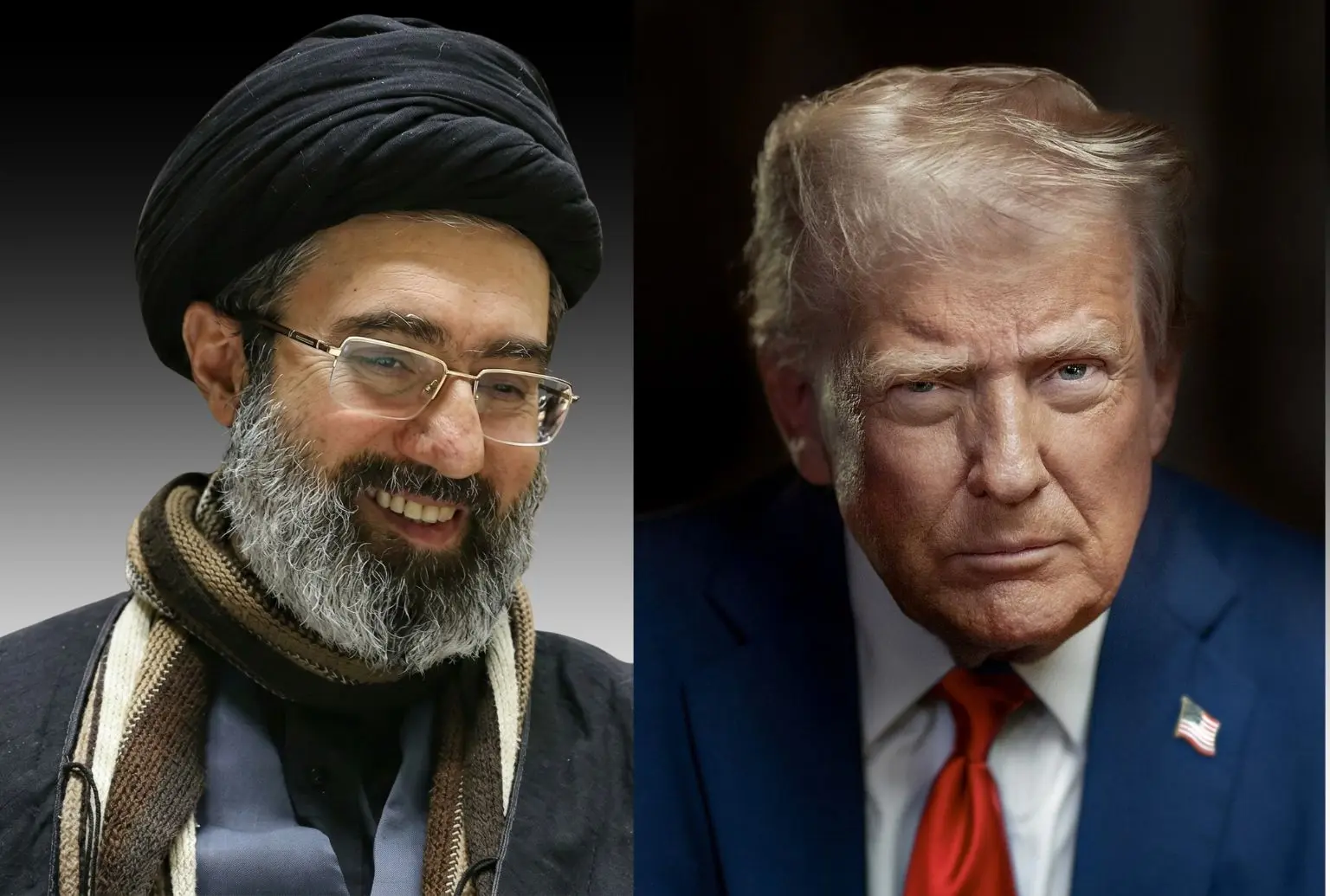
The geopolitical landscape has shifted dramatically as the Trump Iran Conflict reaches its tenth day of active engagement. Financial analysts and military observers are closely monitoring the situation as the initial objectives of the administration remain a subject of intense debate. While the President continues to project confidence, the logistical and economic realities of the situation are beginning to emerge on a global scale.
War Costs Surge
The first full week of active engagement has already resulted in staggering financial implications for the United States Treasury. Estimates suggest that the conflict has cost approximately 6 billion dollars within just seven days of operations. This rapid expenditure has raised questions among fiscal hawks regarding the long term sustainability of the current military posture.
President Trump has maintained a firm stance by demanding the unconditional surrender of the Iranian government to secure peace. Iranian officials have responded with defiance, stating that such expectations will never be met under the current circumstances. The administration’s goals remain fluid, ranging from potential regime change to a complete restructuring of bilateral agreements.
During a recent exchange, the President suggested he would prefer to have direct influence over the selection of the next president in Tehran. He argued that this oversight would ensure the United States does not find itself returning to a similar conflict in the next decade. This rhetoric marks a significant departure from traditional diplomatic norms regarding the sovereignty of foreign nations.
Tehran Leadership Change
The internal political structure of Iran has seen a major transition during this period of high intensity tension. Hardliner Mojtaba Khamenei has been elected as the new Supreme Leader, signaling a shift toward a more aggressive defensive posture. This transition was confirmed by top officials who emphasized a commitment to maintaining stability through strict control.
A spokesperson for the Iranian government stated that the new leadership intends to rule with an iron fist during this crisis. This announcement has dampened hopes for a quick diplomatic exit from the Trump Iran Conflict. The move is seen by many as a consolidation of power within the most conservative factions of the Iranian political establishment.
President Trump recently told news outlets that he views the current military status as being very complete. He suggested that the primary objectives have been largely achieved despite the ongoing presence of American forces in the region. This assessment has drawn comparisons to historical military declarations that preceded prolonged periods of regional instability.
Global Market Panic
The ripple effects of the Trump Iran Conflict are being felt most acutely in the global energy markets. Crude oil prices have surged past the 100 dollar per barrel threshold for the first time in several years. Market analysts expect this volatility to continue as long as shipping lanes in the region remain under threat.
Domestic consumers in the United States are facing a sharp increase in fuel costs at the pump. Gas prices are projected to reach between 4 and 5 dollars per gallon in the coming weeks. This economic pressure has led to public concern regarding the impact of the conflict on the average American household budget.
Despite these rising costs, the President has remained dismissive of the potential long term economic damage. He recently stated aboard Air Force One that gas prices would eventually come down at a very fast pace. He described the current military action as a short excursion that should have been undertaken decades ago.
Regional Security Shifts
The prospect of Iranian retaliation on American soil has become a central point of concern for domestic security agencies. When asked about this possibility, the President acknowledged that risks are inherent in any state of war. He noted that casualties are an unfortunate reality of military engagement, though he offered little in the way of specific reassurance.
A recent controversy involving a dignified transfer ceremony for fallen soldiers has also drawn significant media attention. Critics pointed out that the President wore a branded novelty golf hat during the solemn event. This decision led to a wave of criticism regarding the appropriate decorum for such high level military honors.
The administration has also sought to broaden its focus to other regional concerns during this period of crisis. At a summit held at the Doral Golf Club, the President launched a new initiative titled the Shield of the Americas. This organization is intended to combat drug trafficking and enhance security across Latin American borders.
FAQs
What is the current financial cost of the Trump Iran Conflict?
The conflict has cost an estimated 6 billion dollars in its first week alone, leading to significant concerns about the impact of US Iran war on gas prices and the national budget.
Who is the new Supreme Leader of Iran?
Mojtaba Khamenei has been elected as the new Supreme Leader, with officials stating he will lead the nation with an iron fist during the ongoing regional tensions.